
Men's health
Enlarged prostate symptoms in men over 40
What benign prostatic hyperplasia (BPH) is, the urinary signs to watch for, how it differs from prostate cancer, the home habits that can ease mild symptoms, and when to call a doctor.
Fit and Healthy Daily writes clear health guides for adults in midlife and later. Each guide links to its sources, and our free calculators turn your own numbers into something you can act on.

How much sleep adults need, the evening habits that help you fall and stay asleep, and when to talk to a doctor about poor sleep.
1 guide
What tinnitus is, why ringing in the ears often goes with hearing loss or loud noise, and the steps that help you protect the hearing you have.
1 guide
Common causes of knee pain and back pain after 40, the movement and strength habits that help, and the signs that mean it's time to see a doctor.
1 guide
What your blood pressure numbers mean, the daily habits that help bring high blood pressure down, and how to look after your heart health.
1 guide
What your blood sugar and A1C numbers mean, why prediabetes can go unnoticed for years, and the meals and habits that help keep your levels steady.
1 guide
How the prostate changes with age, the urinary signs of an enlarged prostate, and the questions to bring to your doctor.
1 guide
Which kinds of forgetfulness come with normal aging, which signs of memory loss need a doctor's visit, and the daily habits that support brain health.
1 guide
How your digestive system works, the foods and habits that support gut health, and the warning signs that mean you should call your doctor.
1 guide
The early signs of gum disease, the habits that raise your risk, and the daily care that keeps your teeth and gums in good shape.
1 guide
What healthy nails look like, how toenail fungus and other nail problems show up, and simple daily care for your skin, hair, and nails.
1 guide
Men's health
What benign prostatic hyperplasia (BPH) is, the urinary signs to watch for, how it differs from prostate cancer, the home habits that can ease mild symptoms, and when to call a doctor.
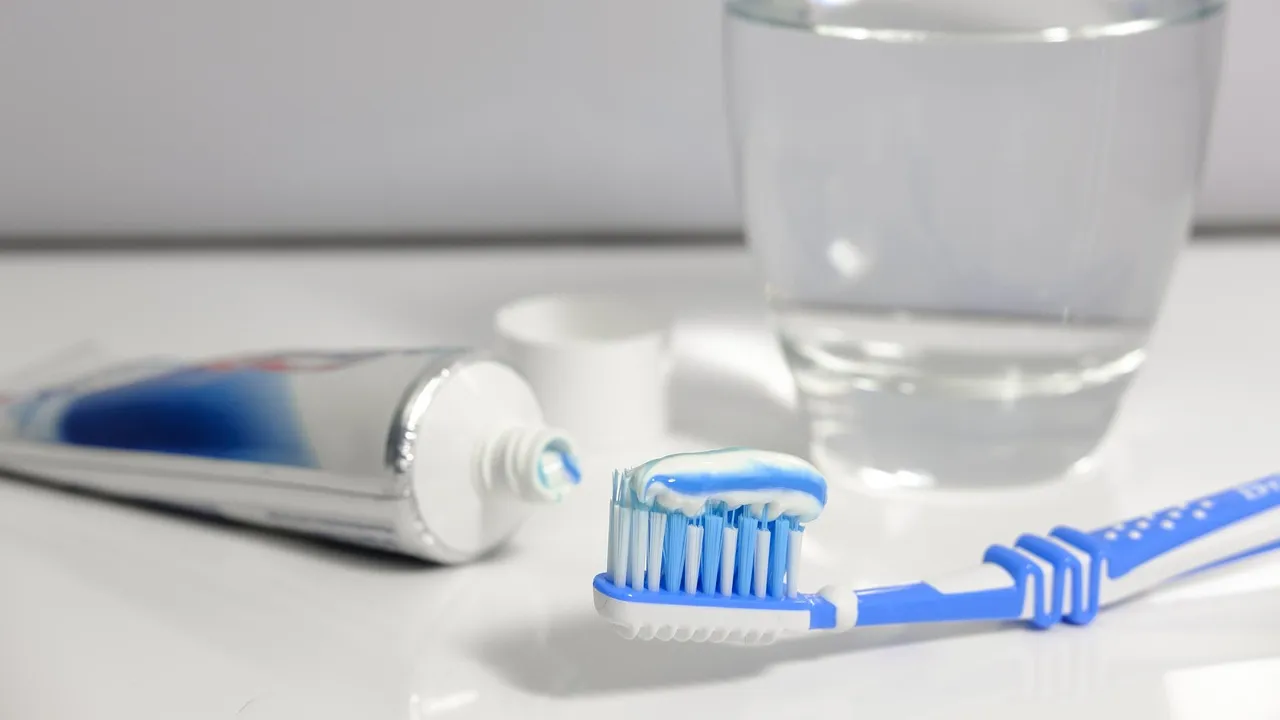
Teeth and gums
How to spot gum disease symptoms early, how gingivitis differs from periodontitis, why smoking and diabetes raise your risk, the daily care that helps, and when to see a dentist.

Gut health
Simple, research-based steps for better digestion: fiber and how to add it, fluids, fermented foods, what science says about probiotics and the gut microbiome, activity, and signs to see a doctor.

Brain and memory
What forgetfulness is normal with age, which signs of memory loss need a doctor, and the habits NIA and CDC link to a healthier brain: sleep, blood pressure, activity, hearing, and staying social.
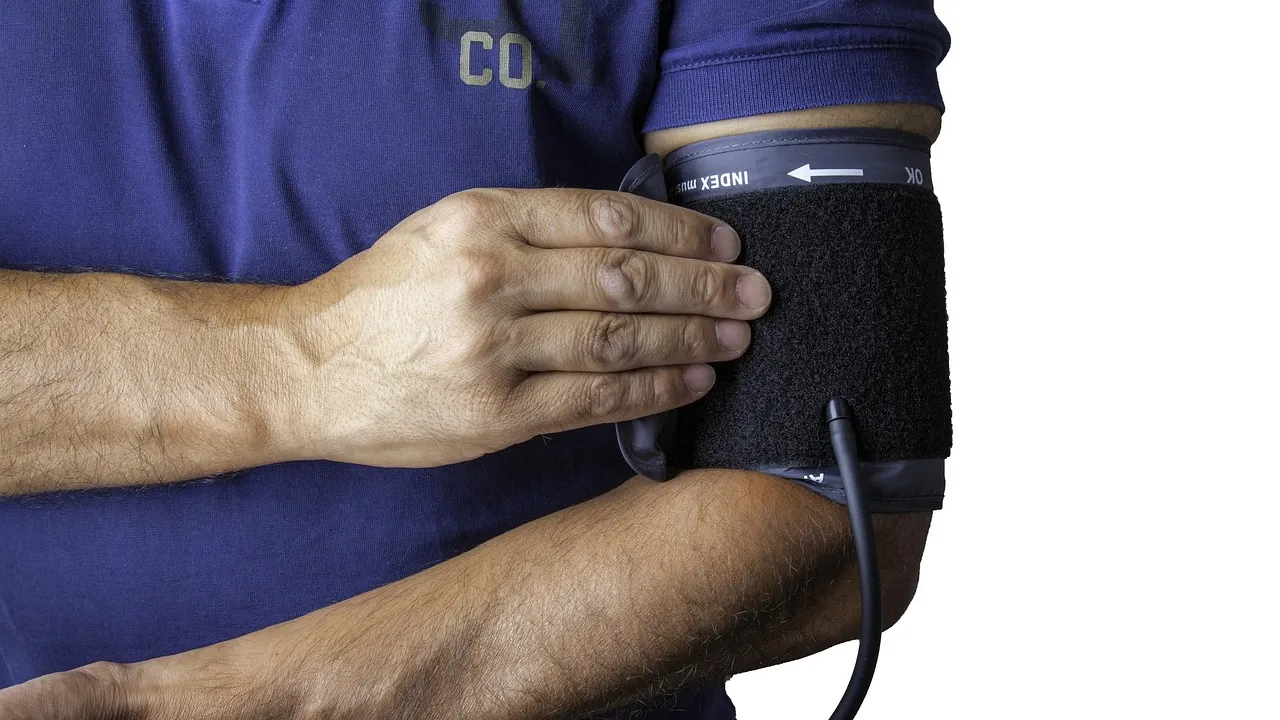
Blood pressure and heart
Seven lifestyle steps that research shows can lower blood pressure: the DASH eating plan, less sodium, activity, weight loss, less alcohol, sleep, and checking your numbers at home.

Blood sugar
The daily habits that NIH and CDC experts link to healthier blood sugar: food, activity, weight, sleep, stress, and A1C checks, plus the warning signs of levels that are too high or too low.

Sleep
How much sleep adults over 40 need, what to do when you can't fall asleep, how to set a schedule and a bedroom for sleep, what caffeine, alcohol, and naps do, and what research says about melatonin.
Type in the top and bottom numbers from your monitor, and this blood pressure chart and checker tells you which CDC category the reading falls in. The categories are the same ones used in the 2025 AHA/ACC guideline on high blood pressure in adults.
This BMI calculator turns your height and weight into a body mass index, then places it in one of the CDC weight categories for adults. You also see the weight range that counts as healthy for your height. Use feet and pounds, or centimeters and kilograms.
Enter your sex, age, height, weight, and how active you are. The calorie calculator shows the calories that keep your weight steady, then the calories to lose weight at a pace of half a pound up to 2 pounds a week.
TDEE stands for total daily energy expenditure: all the calories you burn in 24 hours. Fill in the form and the TDEE calculator gives your number, along with what it would be at each of four activity levels.
All you need is a soft tape measure. Enter your height and a few body measurements, and the body fat calculator estimates your body fat percentage. It uses the equations the US Navy developed in 1984 to check the body fat of its members.
How much protein do I need? Enter your age and weight, and the protein calculator gives a daily amount in grams. For people over 65, it also shows the higher range that experts on aging advise, and it splits the total across 3 meals.
Tell the sleep calculator when you have to get up, or when you plan to turn in. It counts in sleep cycles of about 90 minutes, adds the time you usually take to drift off, and gives you 3 times to choose from.
Your A1C test gives a percent, but your glucose meter reads in mg/dL. This A1C calculator converts A1C to average blood sugar: enter your result to see the matching estimated average glucose in mg/dL and mmol/L, plus the CDC range it falls in.
Plenty of us notice changes after 40. Sleep can get lighter, knees can complain on the stairs, and the numbers at a checkup start to matter more. Fit and Healthy Daily covers the health topics that come up most at this age. Topics range from how to sleep better and high blood pressure to blood sugar, memory, gut health, teeth and gums, and the prostate.
Each guide answers one question in plain words, and you can browse all guides by topic. We base our guides on public health agencies and published studies, and we link to them so you can read the source yourself. When a symptom needs a doctor, the guide says so.
Our free calculators cover blood pressure, BMI, daily calories, body fat, protein, sleep, and A1C. Each one names its formula and its source. Thinking about a supplement? Read how to choose a supplement before you buy.
Some pages may link to product sites, and we may earn a commission if you buy through them. A commission never changes what a guide says. Our disclosure explains the details, and our editorial policy shows how we write and check each guide.
No. Every guide and every calculator is free, and you don't need to sign up. If a page links to a product site, we may earn a commission when you buy there. Our disclosure page explains how that works.
From public health bodies such as the National Institutes of Health (NIH) and the Centers for Disease Control and Prevention (CDC), from MedlinePlus, and from studies listed on PubMed. Each guide links to its sources at the end.
Nothing leaves your device. The math runs in your browser, and we don't receive or store your numbers.
No. Never stop or change a prescribed medicine on your own. Our page on how to choose a supplement explains how to read a label and judge the research, and your doctor or pharmacist can tell you whether a product is safe with your medicines.
No. Our guides give general information for adults. Talk to your doctor before you start a supplement or a new routine, and see a doctor about any symptom that worries you.